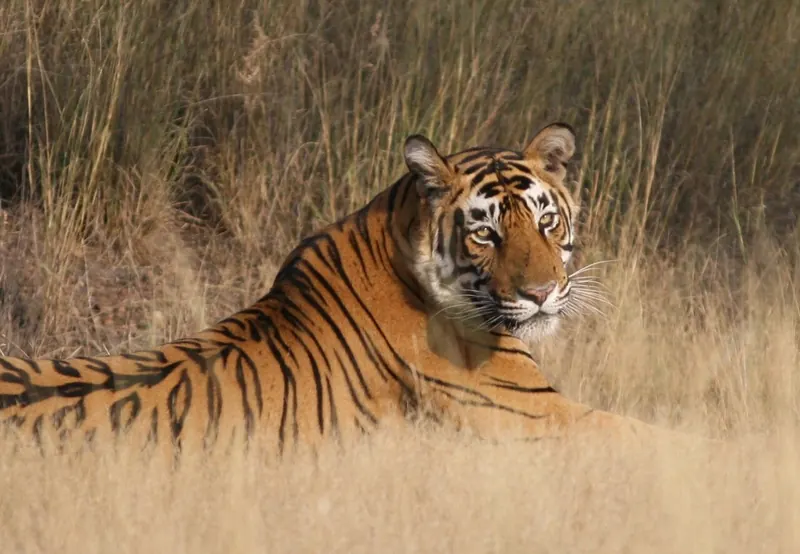
 Big cat
Tiger
Panthera tigris
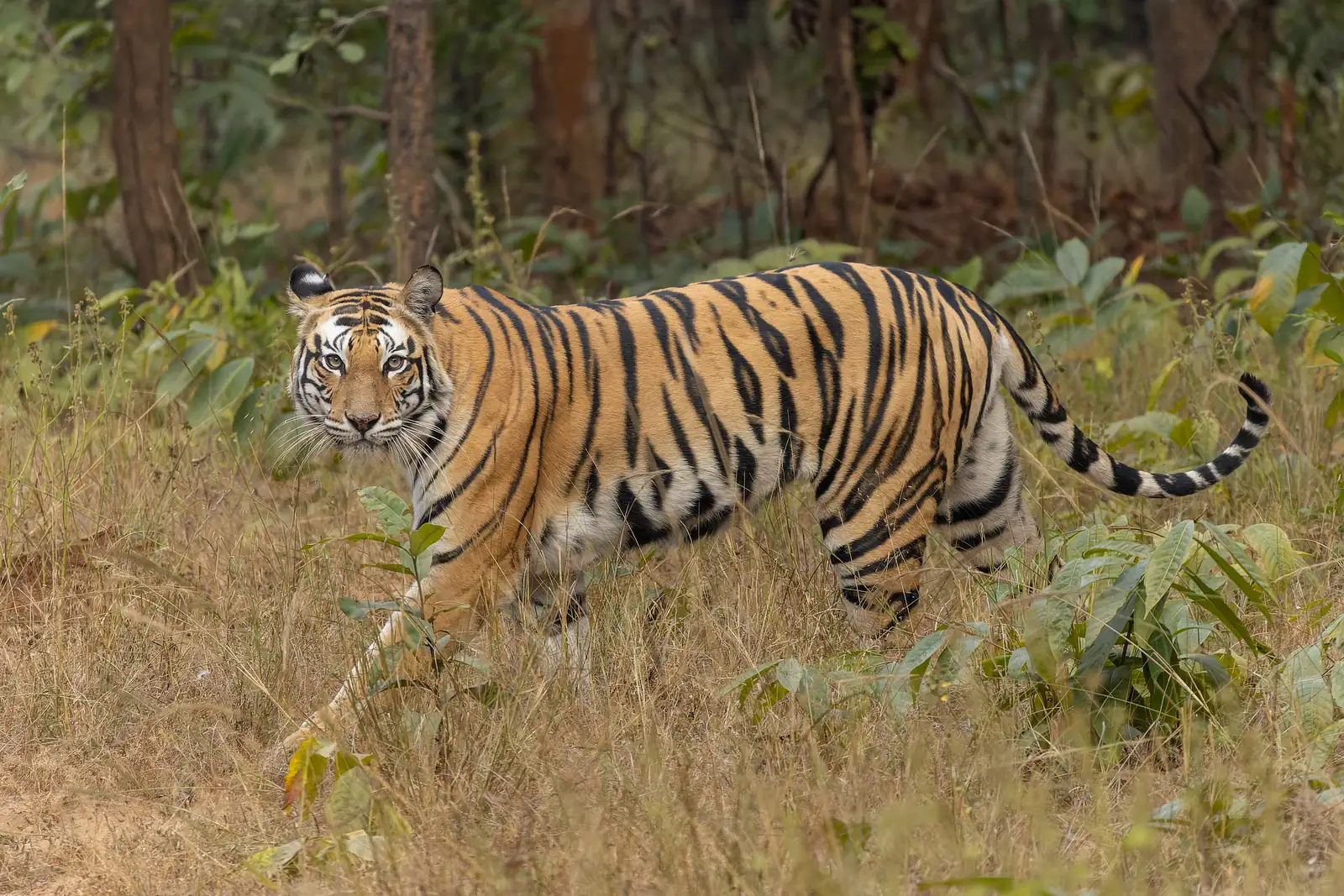
Photo: Tisha Mukherjee, CC BY-SA 4.0
Open 8:30 AM – 5:30 PM · Closed Tuesdays
अभेड़ा बायोलॉजिकल पार्क
Tigers, lions, leopards and more than 125 bird species across 143 hectares on Kota's Nanta Road, a short drive from the Chambal.
Timings8:30 AM – 5:30 PMClosed on Tuesdays
Entry₹52 adults₹22 students · ₹302 foreigners
LocationNanta Road, Kota650 m from Abheda Mahal
Plan for3 – 4 hoursE-carts from ₹100
About the park
Abheda Biological Park (also spelt Abhera, and often called the Kota zoo) is Rajasthan's 4th — and Kota's newest — zoological and biological park.
It was inaugurated on 18 December 2021 by Chief Minister Shri Ashok Gehlot and Shri Shanti Dhariwal. Spread across 143 hectares on the historic Nanta Road, it sits just 650 metres from the 18th-century Abheda Mahal.
The park's distinctive "O" shape holds a 1.5 km central walking track flanked by 44 spacious enclosures. Construction began in 2016 and was completed in 2018; today the park houses tigers, lions, leopards, bears, wolves, hyenas and dozens of bird species, with more arrivals planned.
The name Abheda derives from Abhayaran, "the forest where animals live fearlessly". True to that spirit, the park is a safe refuge for wildlife in the heart of Hadauti, complementing nearby Mukundara Hills Tiger Reserve in Kota's growing conservation landscape.
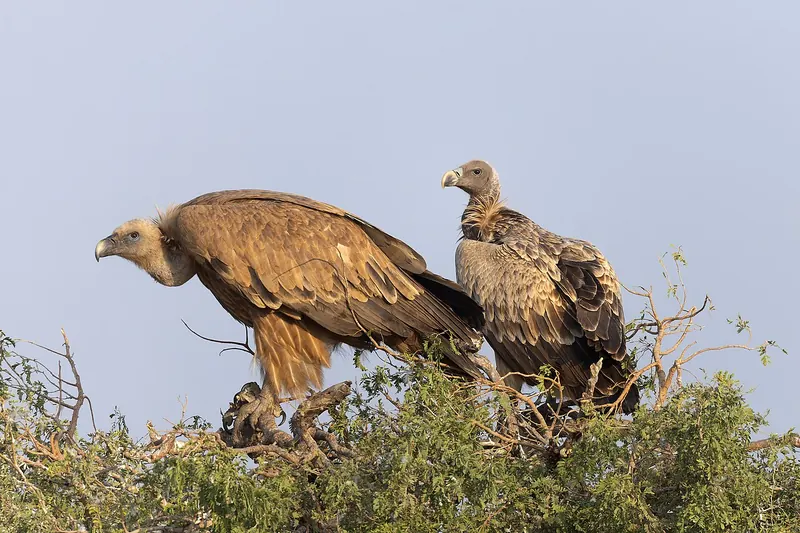
Wildlife
From big cats to crocodilians, the park houses a growing collection of wildlife, many relocated from Jaipur, Udaipur and Assam. Photos show each species in the wild.
Big cat
Panthera tigris
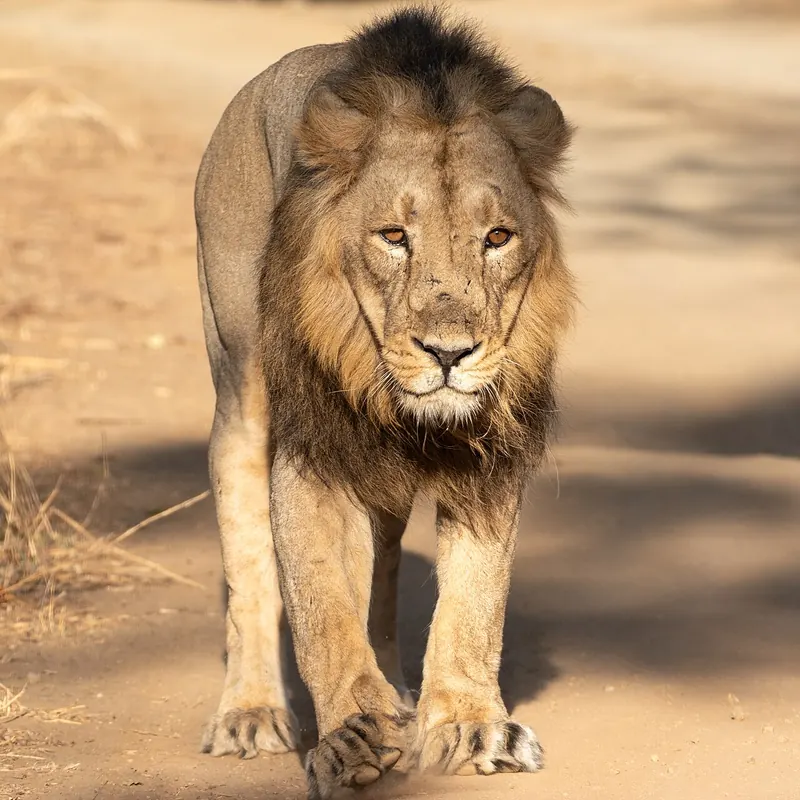 Big cat
Panthera leo persica
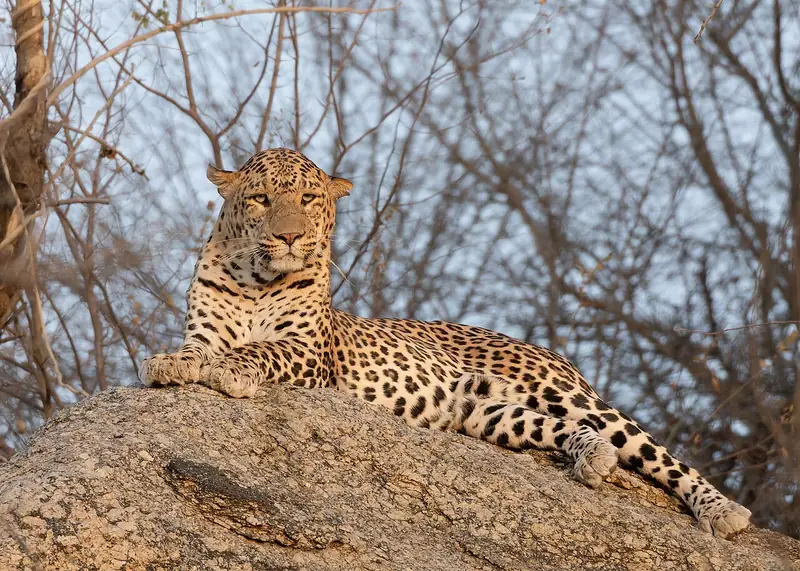
Big cat
Panthera pardus
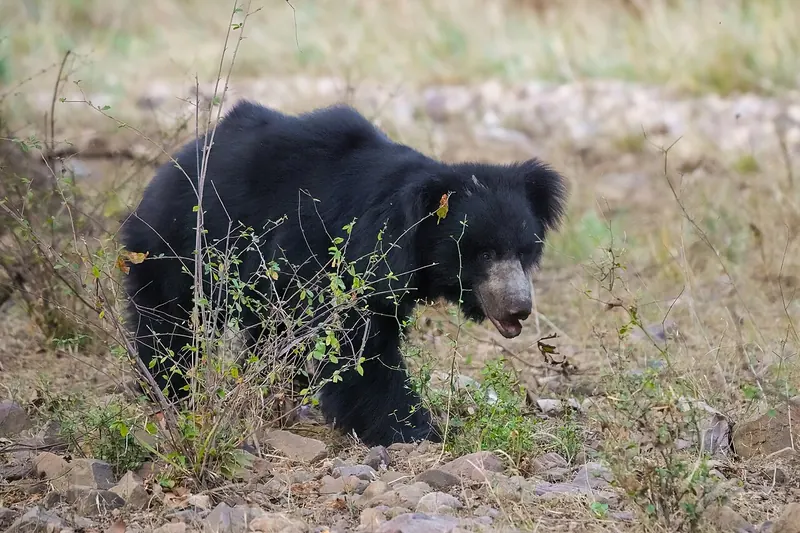 Carnivore
Melursus ursinus
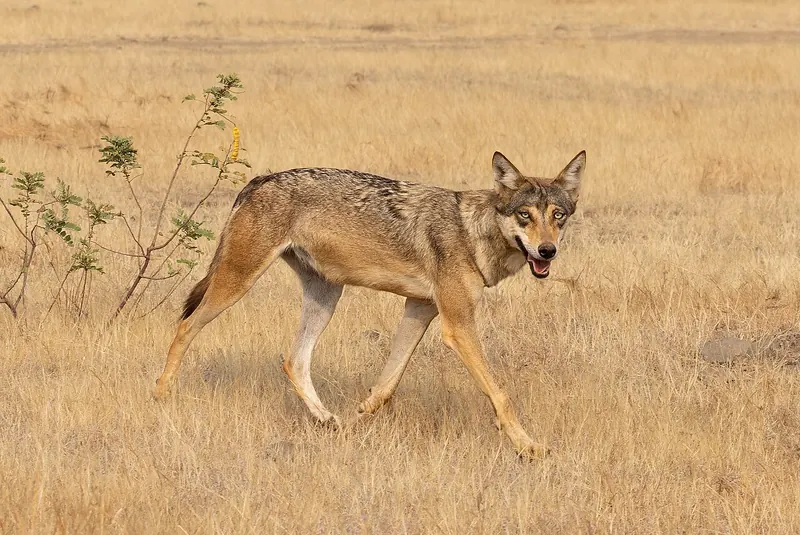 Carnivore
Canis lupus pallipes
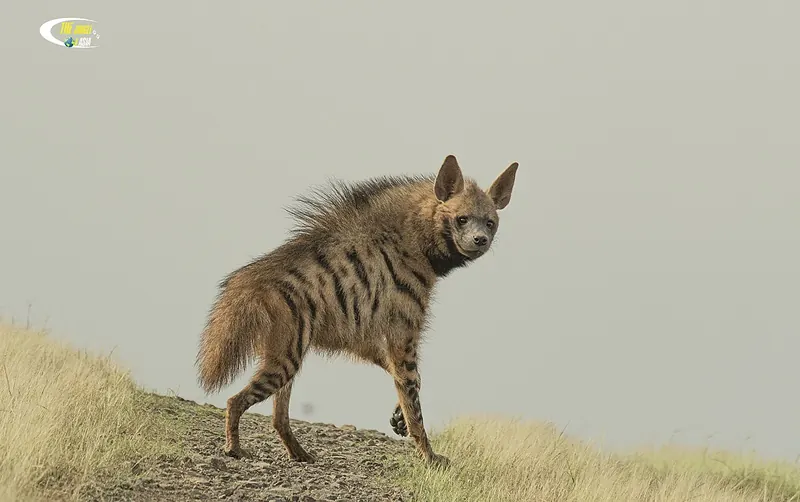 Carnivore
Hyaena hyaena
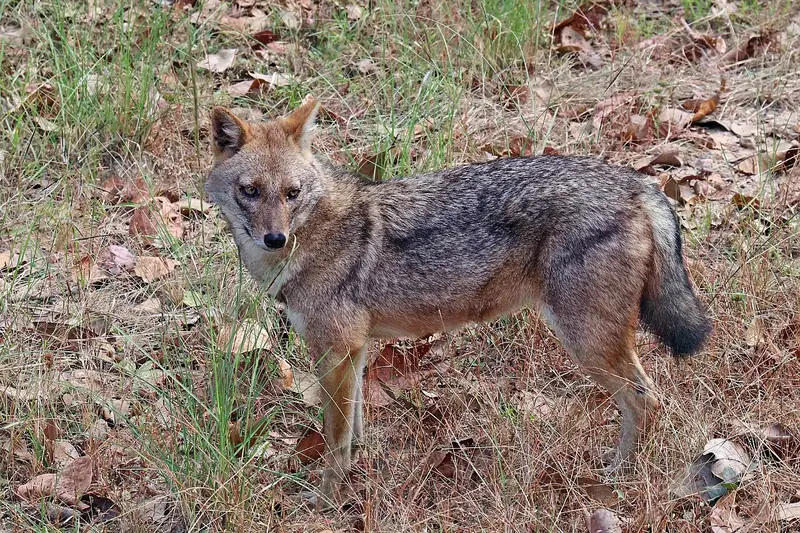 Omnivore
Canis aureus
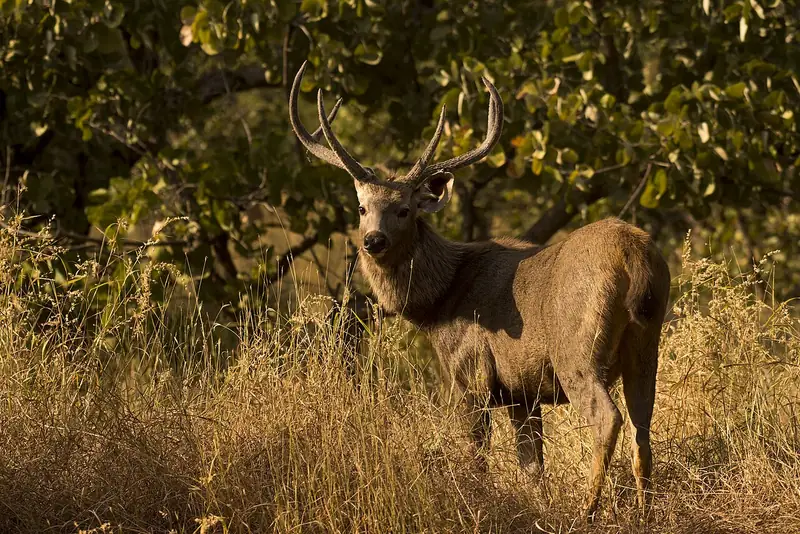 Herbivore
Rusa unicolor
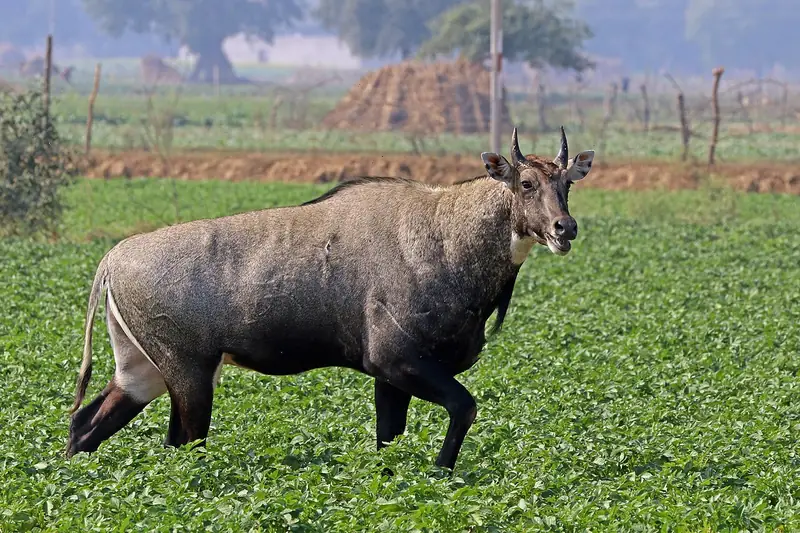 Herbivore
Boselaphus tragocamelus
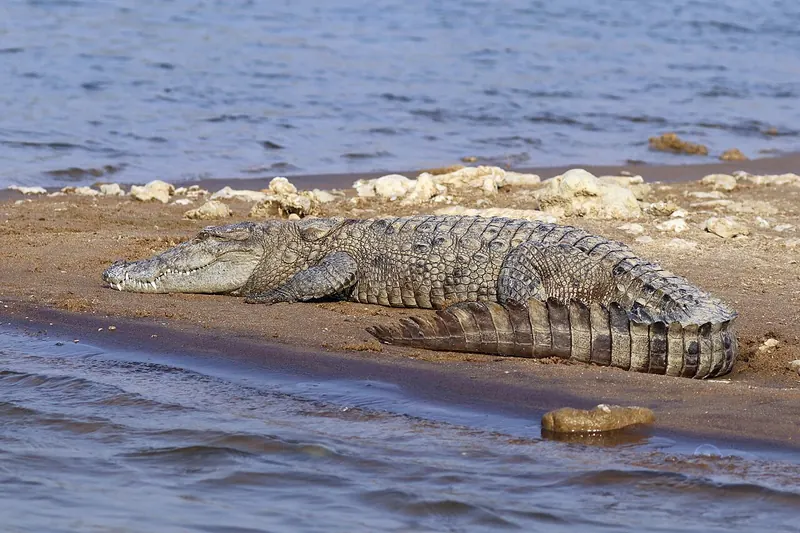 Reptile
Crocodylus palustris
Raptor
Gyps indicus
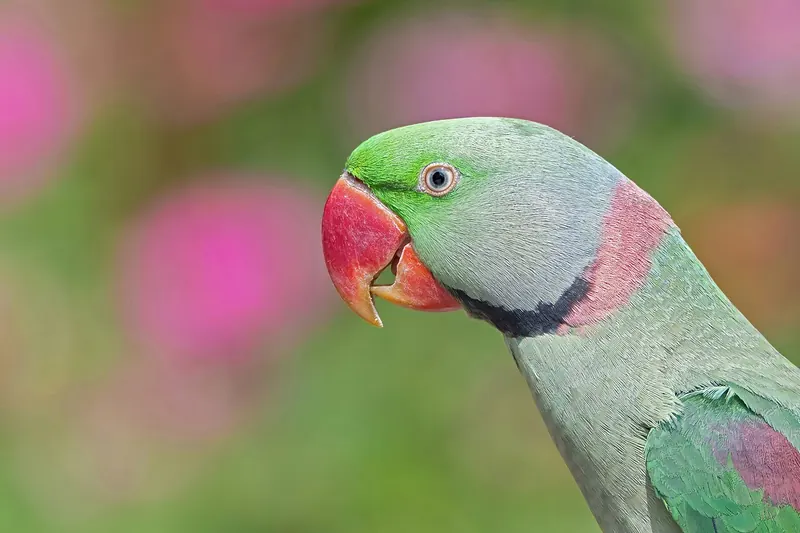
Bird
Psittacula eupatria
Coming soon: more species, including additional big cats, Assam bears and a wider variety of birds, are being brought in after Central Zoo Authority approvals. The park is still growing, so every visit may reveal something new.
Park layout
The park follows an "O"-shaped layout across 143 hectares, divided into three functional zones around a 1.5 km central track.
The heart of the park and its primary enclosures. The 1.5 km central track runs through here, with 44 large, naturalistic enclosures on either side for big cats, bears, wolves and herbivores. Animal sculptures and selfie spots line the way.
The park's operational spine: ticket counters, the e-cart service, visitor information, the veterinary unit and park offices. Restrooms and drinking water are also found here.
A buffer of native vegetation that keeps the park ecologically healthy. Over 125 bird species have been recorded here on eBird, and seasonal ponds draw migratory birds from October to March.
Entry & pricing
Buy at the counter or book online on the Rajasthan Tourism portal to skip the queue.
Add your group to see the total at the counter.
Based on the prices listed here. Please confirm current fees at the counter.
Electric carts run along the 1.5 km track, ideal for elderly visitors, families with young children and anyone who prefers to ride.
Pro tip: book your tickets on the official Rajasthan Tourism OBMS portal to skip the queue, and arrive early on a weekday to avoid crowds and see animals at their most active.
Visit planning
The ideal window is October to March: pleasant temperatures, active wildlife, peak migratory bird season and green landscapes after the monsoon.
Getting here
The park is on Nanta Road on the edge of Kota city, 6.7 km from the bus stand and 13 km from Kota Junction.
Kota Junction is well connected to Delhi, Mumbai, Jaipur and other major cities. The park is 13 km away, about 28 minutes by road. Dakaniya Tal station is closer at 5.9 km but has fewer trains.
Kota is on NH-52, with RSRTC buses from Jaipur, Udaipur, Ajmer and Bundi. From Kota bus stand the park is 6.7 km along Nanta Road (about 15 min). Autos and taxis are easy to find.
The nearest airport is Jaipur International (JAI), about 240 km away: roughly 3 hr 45 min by road or 2 hr by express train.
Around the park
Pair your visit with these nearby sights, all within easy reach of the park.
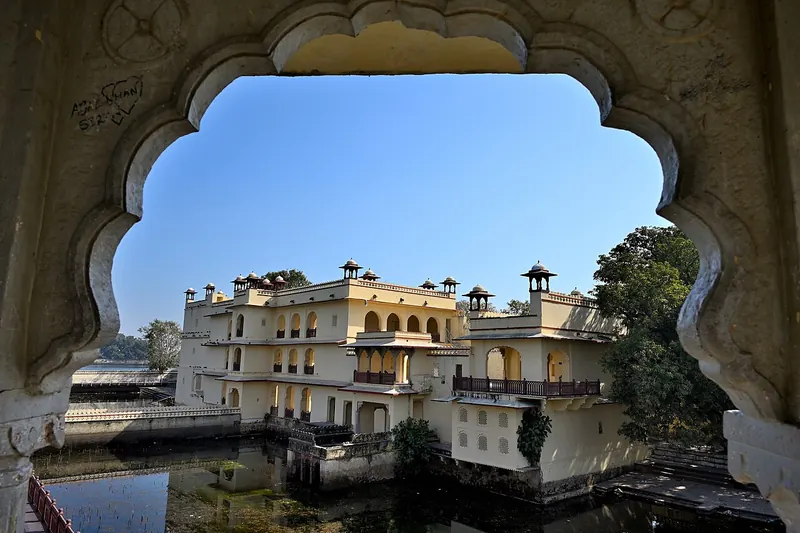
An 18th-century palace built by Maharaj Ummed Singh on the banks of a lake, with a lush garden, boating, a children's play area and a canteen. Open 10 AM–5 PM daily.
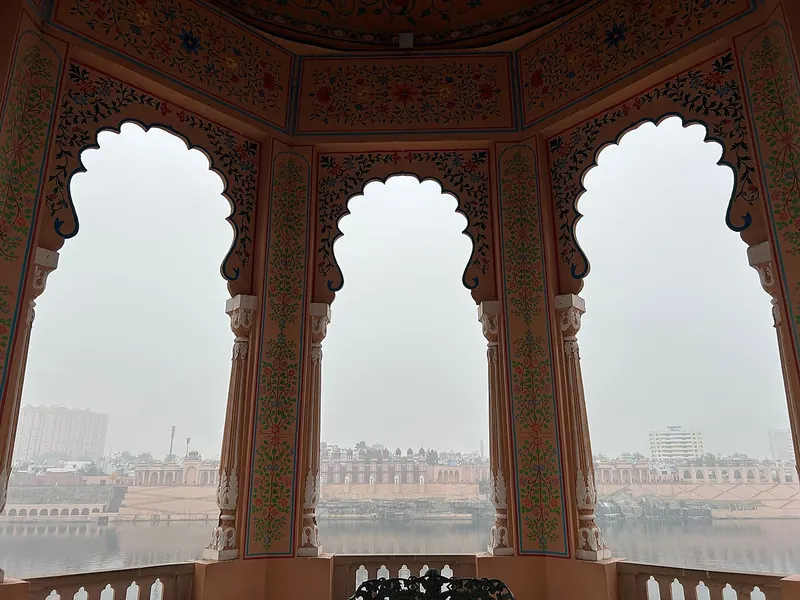
A newly developed riverfront on the Chambal with grand ghats and replicas of famous monuments. A great evening outing with sunset views.
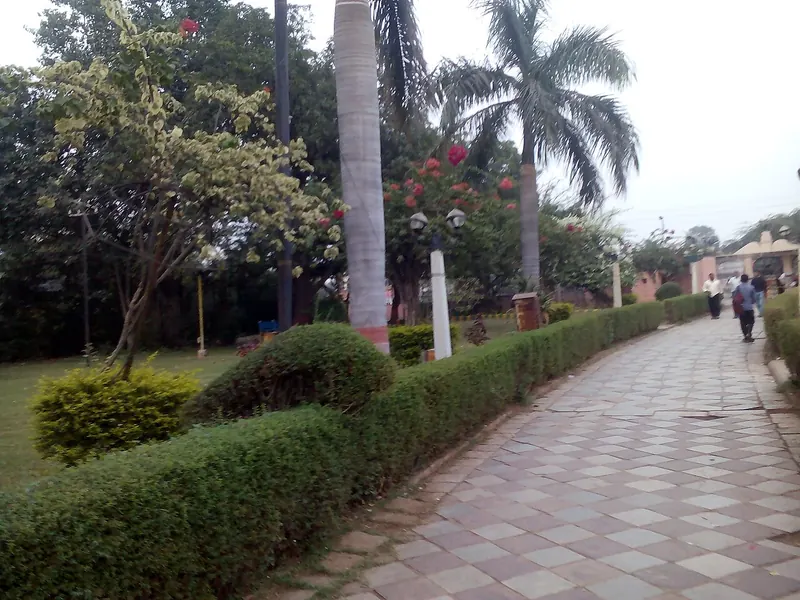
A landscaped riverside garden next to Amar Niwas on the Chambal. Open 9 AM–9 PM and one of Kota's favourite evening spots.
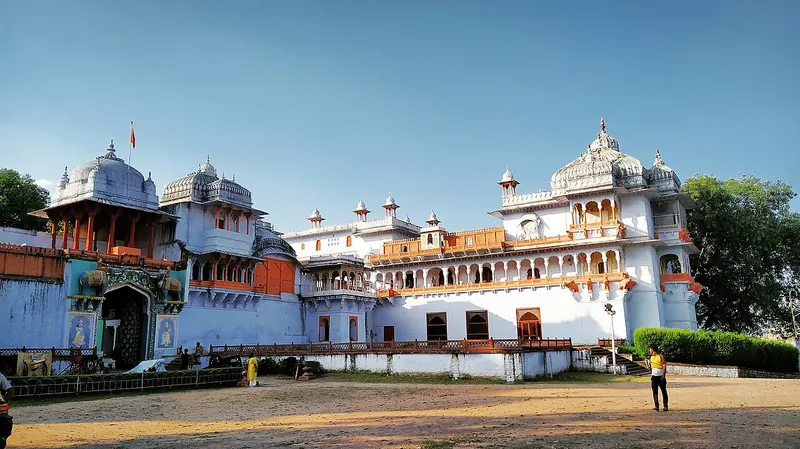
A riverside fort-palace of the Hada Chauhan rulers, home to rare Kota-school miniature paintings and artefacts. Open 10 AM–4:30 PM.
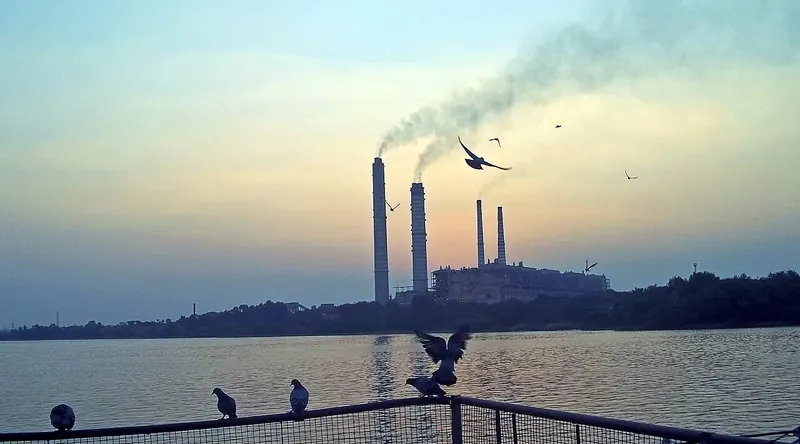
When the gates open in the monsoon, the Chambal roars through the barrage. Dramatic from July to September and pleasant year-round.
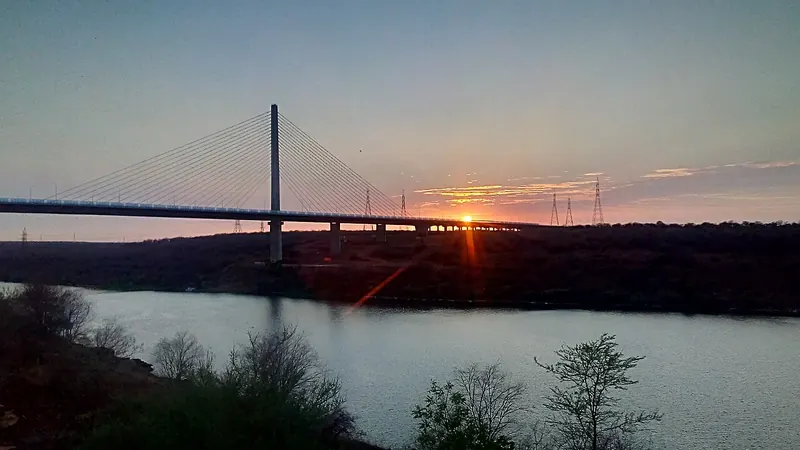
A cable-stayed bridge over the Chambal with sweeping river views. Best for photographs at dawn and dusk.
Before you go
Walking shoes, a hat and sunscreen, binoculars, a camera (remember the camera fee), water bottles and light snacks, as there are no food stalls inside.
Allow 3–4 hours. Use an e-cart for elderly visitors or young children. Kids love the animal-statue selfie spots, and Abheda Mahal is right next door.
The golden hours (8:30–10 AM and 3:30–5 PM) give the best light and animal activity. Bring a telephoto lens or good zoom, and pay the camera fee at the counter.
With 125+ species recorded, the park is an eBird hotspot. October to March brings migrants; the green belt and ponds are the best spots.
Ample free parking. The 1.5 km track is easy to walk and e-carts are affordable. Autos outside cover the Abheda Mahal, park and Karni Mata combo.
Don't feed or disturb the animals, keep noise down near enclosures, stay on the paths and carry your waste back out with you.
Good to know
Quick answers about timings, tickets, animals and getting to Abheda Biological Park.
How to reachThe park is open from 8:30 AM to 5:30 PM, Wednesday to Monday, and is closed every Tuesday for weekly maintenance. The ticket counter opens at 9:00 AM and last entry is at 5:00 PM.
Entry costs ₹52 for Indian adults, ₹22 for Indian students with ID and ₹302 for foreign nationals. Children below 5 years and differently-abled visitors enter free. Camera fees are extra: ₹50 for a still camera, ₹200 for a video camera and ₹500 for professional equipment.
No. The park is closed every Tuesday for weekly maintenance. It is open on all other days from 8:30 AM to 5:30 PM.
Yes. Tickets can be booked on the Rajasthan Tourism online booking (OBMS) portal at obms-tourist.rajasthan.gov.in, which lets you skip the queue at the ticket counter.
The park houses tigers, Asiatic lions, leopards, sloth bears, Indian wolves, striped hyenas, jackals, sambar deer, nilgai, mugger crocodiles, long-billed vultures and Alexandrine parakeets. More than 125 bird species have been recorded in and around the park.
Yes. Electric carts run along the 1.5 km central track on all open days: ₹100 for a small 4-seater, ₹150 for a 6-seater and ₹200 for a large 8–10 seater cart.
The park is on Nanta Road near Abheda Mahal, about 13 km (around 28 minutes by road) from Kota Junction railway station and 6.7 km from Kota bus stand. Auto-rickshaws and taxis are easily available. The nearest airport is Jaipur International Airport, about 240 km away.
Plan 3 to 4 hours to walk the 1.5 km central track past all 44 enclosures. The e-cart shortens this and is ideal for elderly visitors and families with young children.
October to March is the best season, with pleasant weather and migratory birds. Early morning (8:30–10 AM) and late afternoon (3–5 PM) are the best times of day, when animals are most active. Avoid summer afternoons from April to June, as the track has limited shade.
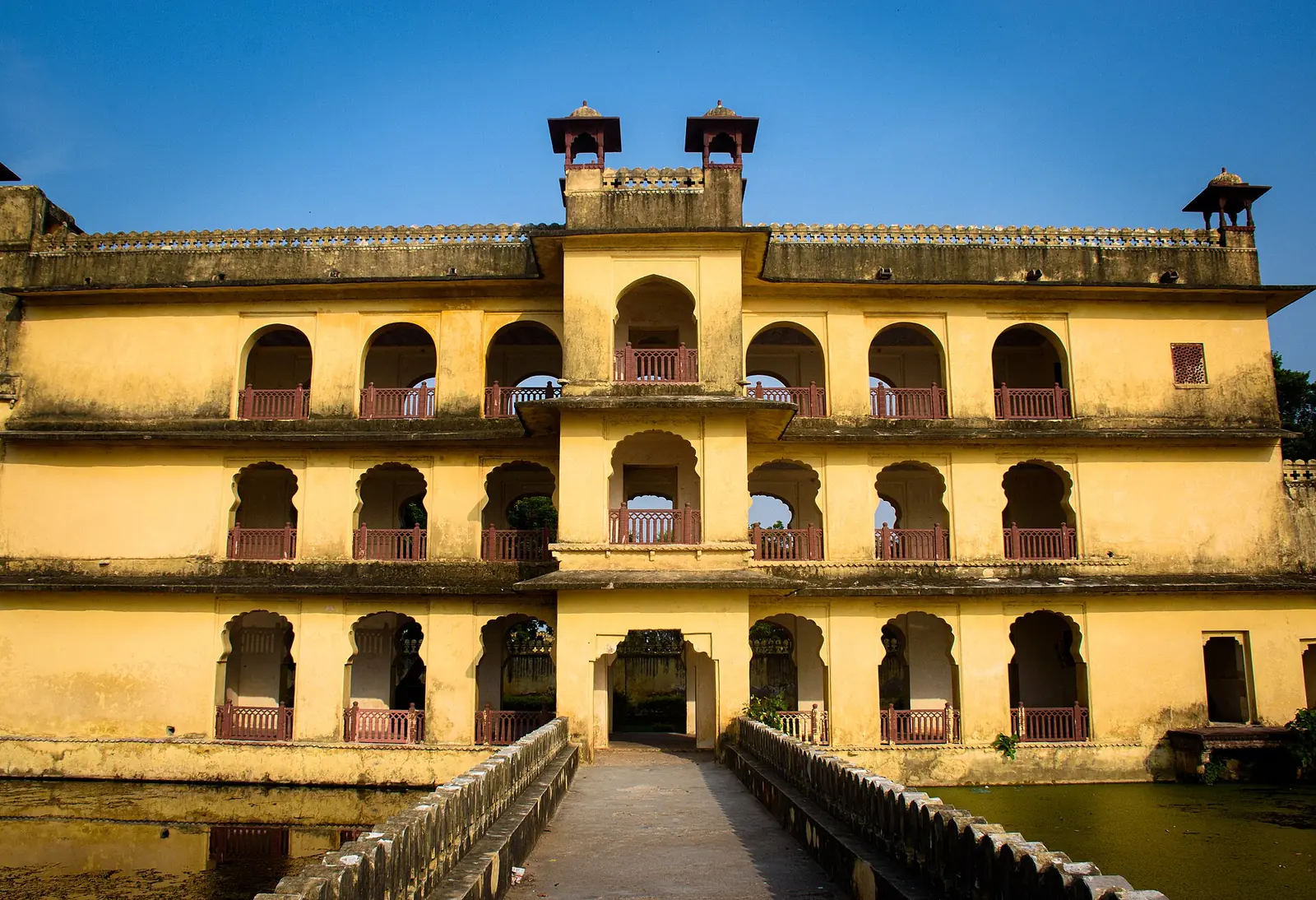
Plan your visit
Open Wednesday to Monday, 8:30 AM – 5:30 PM. Entry from ₹22. Abheda Mahal is just 650 m away.